BESS – proven results

Navigate to project:

BESS Project Expansion – 50MW / 100MWh BESS Project – 100MW / 200MW Concept BESS Project – 1200MW / 4800MW


This page presents a portfolio of large-scale Battery Energy Storage System (BESS) projects, ranging from site expansions to multi-gigawatt conceptual developments. It highlights Detra Solar’s expertise in electrical design, underground cable engineering, system integration, and layout optimisation across different technologies and vendors. From increasing storage duration at operational sites to developing complex, fire-safe and environmentally compliant utility-scale concepts, the projects demonstrate a structured and technically rigorous approach to BESS engineering.


BESS Project Expansion – 50MW / 100MWh

Project Overview

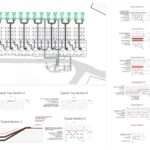
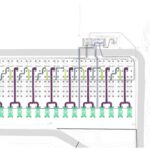
This project involves the strategic Phase 2 expansion of an existing Battery Energy Storage (BESS) site, where the storage capacity was increased from 1h to a 2h system. The engineering scope focuses on integrating a new high-capacity CATL battery system alongside the pre-existing Sungrow infrastructure, expanding the site’s overall energy storage and distribution capabilities.

Client – Confidential
Location – United Kingdom

Key Deliverables

Detra Solar provided a comprehensive set of deliverables to ensure efficient construction at the BESS site extension, including:

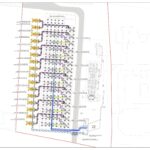
  • BESS Layout (extension)
  • DC and AC LV Cabling Layout
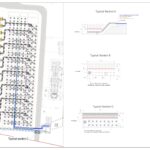
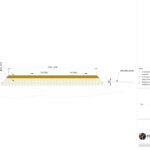
  • Typical DC Cable Sections
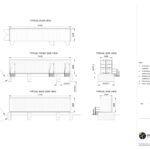
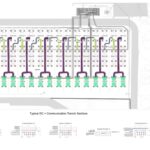
  • Typical AC LV and Comms Cable Sections
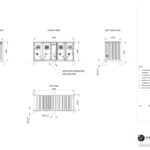
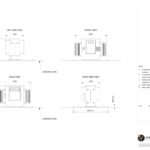
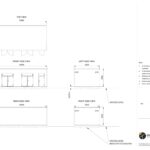
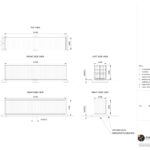
  • Equipment Detailed Drawings
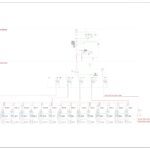
  • Overall Single Line Diagram (SLD)
  • Cable Calculations (ETAP)
  • Cable Schedule

Key Challenges and Our Solution

Complex underground integration

  • Integrating a completely new battery system (CATL) into an existing, operational site (Sungrow) risks disturbing current operations and requires navigating unknown underground obstacles.
  • Our Solution: to execute detailed planning and utilize available land for complex trenching. By designing parallel underground ducting for the new CATL DC and communications cables, we maintained safe separation distances and verified the solution by performing underground cable thermal analysis (ETAP software).

System harmonization

  • Combining two different hardware ecosystems (Sungrow and CATL) on the same physical footprint requires careful management of differing cable specifications, earthing requirements, and communication architectures.
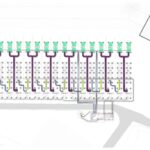
  • Our Solution: to design a robust, segregated cable management strategy. As shown in the site layout, grounding, comms, and DC power paths were mapped to ensure total reliability and compliance across both vendor specifications.


BESS Project – 100MW / 200MW

Project Overview

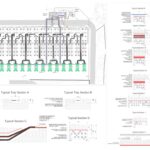
The engineering and design scope heavily emphasizes meticulous underground and above-ground cable management, covering independent AC, DC, and Fiber Optic (communication) pathways from the new CATL units to the existing PCS infrastructure and the central substation.

Client – Confidential
Location – Confidential

Key Deliverables

Detra Solar delivered a wide range of outputs to support the smooth execution of construction activities for the BESS site expansion, including:

  • BESS layout
  • Overall Cable Routing Layouts
  • DC and AC Cabling Layout
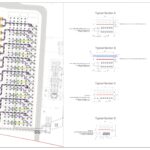
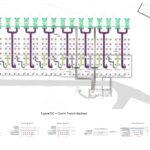
  • DC and AC Trench Layouts
  • Communication Cabling Layouts
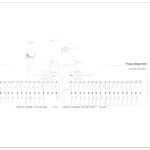
  • Single Line Diagram (SLD)
  • LV AC Board SLD
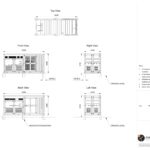
  • Equipment Detailed Drawings
  • Cable Calculations
  • DC, AC, Comms Cable Schedule
  • Bill of Quantities (BOQ)

Key Challenges and Our Solution

Thermal management of buried power cables

  • Bundling multiple high-power DC cables and heavily armored AC cables in shared underground corridors can lead to dangerous heat buildup, derating the cables’ power capacity or causing thermal damage.
  • Our Solution: to engineer specific backfill requirements for the trenches. This ensures that the heat generated by the densely packed electrical lines safely dissipates into the surrounding earth, maintaining optimal performance and safety margins.

Transitioning between trench and tray systems

  • Cables must frequently transition from deep underground trenches to surface-level equipment or cable trays, creating vulnerable points where physical damage, water ingress, or violations of the minimum bending radius can occur.
  • Our Solution: recommended specific elevation transition profiles. This details a smooth, sloped, graded trench design that gently guides the heavily armored cables and fiber-optics from the underground ducts to the surface-level cable trays, maintaining continuous warning-tape protection and ensuring the cables’ structural limits are never exceeded.


Concept BESS Project – 1200MW / 4800MW

Project Overview

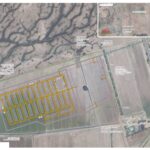
This proposal outlines the site layout and foundational infrastructure design for a large-scale Battery Energy Storage System (BESS) utilizing Tesla battery and PCS containers. While the available land area is extensive, the footprint was optimised to balance maximum energy capacity with strict fire safety regulations, challenging terrain features, and local agricultural activity, while maintaining harmony with the surrounding environment.

Client – Confidential
Location – Confidential

Key Deliverables

Detra Solar provided a comprehensive analysis to ensure all client’s requirements align with the site location, best industry practices and equipment technical requirements.

  • BESS Layout
  • Bill of Quantities (BOQ)
  • Technical Solution Description and Project Feasibility

Key Challenges and Our Solution

Optimisation for fire safety

  • Although the site offers a lot of space, simply packing in as many batteries as possible was not an option. Mitigating thermal runaway and ensuring emergency vehicle access dictated the layout
  • Our solution: to engineer a structured array arrangement with calculated spacing between the battery units. Furthermore, we designed a strict fire management area that wraps around the main BESS footprint. We also integrated an on-site water tank and a wide internal access track network to guarantee that emergency responders have rapid, unobstructed access to any part of the facility.

Mitigating environmental & agricultural impact

  • The project is situated in an active agricultural/rural area, meaning we had to account for local wildlife and grazing farm animals, ensuring the high-voltage facility didn’t disrupt the local ecosystem or agricultural operations
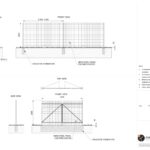
  • Our Solution: to ensure safe coexistence, we implemented, alongside standard security fencing for the electrical infrastructure, stock-proof fencing. By strategically placing dedicated livestock and farm gates, we secured hazardous areas from animal intrusion while preserving necessary movement corridors for local farming operations.


Our Services

Newsletter. Sign up!

Be the first one to know about our new projects, news and insights.

Follow Us