Owner’s Engineering in Solar & BESS Projects: Why Independent Oversight Matters
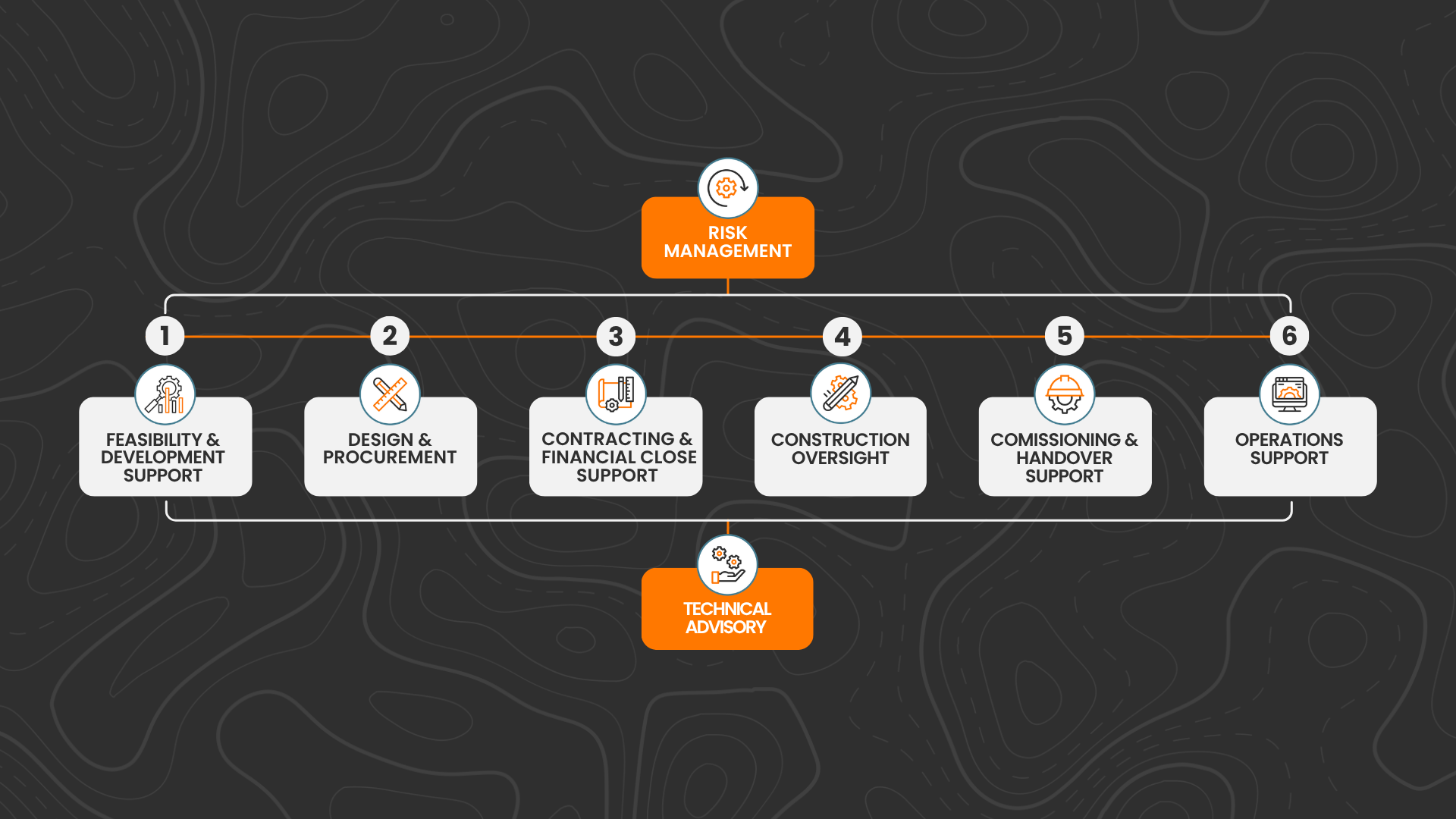
Utility-scale solar and energy storage projects involve complex technical decisions, multiple stakeholders, and significant financial commitments.
From feasibility to commissioning, every phase of development carries risks that can affect project cost, schedule, and long-term performance.
Many developers and investors rely heavily on EPC contractors to deliver these projects. While EPCs play a critical role, this approach can create a structural challenge: the same party responsible for delivering the project is often also responsible for validating its design and technical decisions.
This is where Owner’s Engineering (OE) becomes essential.
Owner’s Engineering provides independent technical oversight across the entire project lifecycle, ensuring that decisions are evaluated objectively and that projects meet the required standards for safety, compliance, and performance.
The Key Risks Solar Developers and Investors Face
Even well-structured solar projects can encounter technical and operational challenges. Some of the most common issues appear in areas such as design validation, procurement, and construction quality.

1. Unverified Designs and Hidden Technical Risks
Developers often rely on EPC designs without independent verification. While EPCs aim to deliver projects efficiently, commercial pressures can sometimes lead to design choices that prioritize cost or speed over long-term performance.
Without an independent review, design flaws or suboptimal technical decisions may go unnoticed until late stages of construction – or even after commissioning.
Owner’s Engineering solution:
Independent design reviews verify engineering documentation, check compliance with standards, and identify optimization opportunities before issues become costly.
2. Budget Uncertainty and Cost Escalations
Unexpected CAPEX increases are a frequent concern in large-scale solar projects. These often arise from:
- Incorrect quantity assumptions
- Poor procurement control
- Design changes during construction
- Unforeseen site conditions
These issues can trigger change orders and impact overall project profitability.
Owner’s Engineering solution:
Through feasibility studies, design optimization, and procurement support, OE teams validate CAPEX and OPEX assumptions and identify potential cost-saving opportunities early in the process.
3. Project Schedule Delays
Solar projects involve coordination between multiple parties – developers, EPCs, designers, equipment suppliers, and investors.
When responsibilities are unclear or communication between stakeholders breaks down, delays often follow.
Owner’s Engineering solution:
OE teams establish structured reporting, milestone tracking, and interface management between project participants to maintain alignment on schedule and scope.
4. Construction Quality Issues
Owners often lack continuous on-site technical oversight during construction. Without systematic inspections, installation errors or non-compliance with specifications may go unnoticed.
These issues can affect safety, performance, and warranty compliance.
Owner’s Engineering solution:
QA/QC inspections, non-conformance reporting (NCR), and milestone verification ensure that construction follows approved engineering standards.
5. Vendor and Procurement Risks
Selecting the right equipment and suppliers is critical for project performance and long-term reliability.
However, comparing vendor offers can be difficult without deep technical expertise.
Owner’s Engineering solution:
Technical bid evaluation and vendor qualification processes help ensure that procurement decisions balance cost, compliance, and long-term asset reliability.
6. Commissioning and Performance Risks
Commissioning is often the stage where hidden problems emerge:
- incomplete documentation
- missing tests
- underperforming systems
If these issues are not addressed properly, they can create long-term operational challenges.
Owner’s Engineering solution:
Commissioning validation ensures that all functional and performance tests are completed and that the plant meets performance expectations before provisional acceptance.
7. Limited Internal Technical Expertise
Many investors and asset owners do not maintain large in-house engineering teams capable of evaluating complex technical proposals.
Without expert guidance, it can be difficult to challenge EPC assumptions or evaluate design alternatives.
Owner’s Engineering solution:
Technical advisory services provide clear, data-driven recommendations that support informed decision-making.
What Owner’s Engineering Covers Across the Project Lifecycle
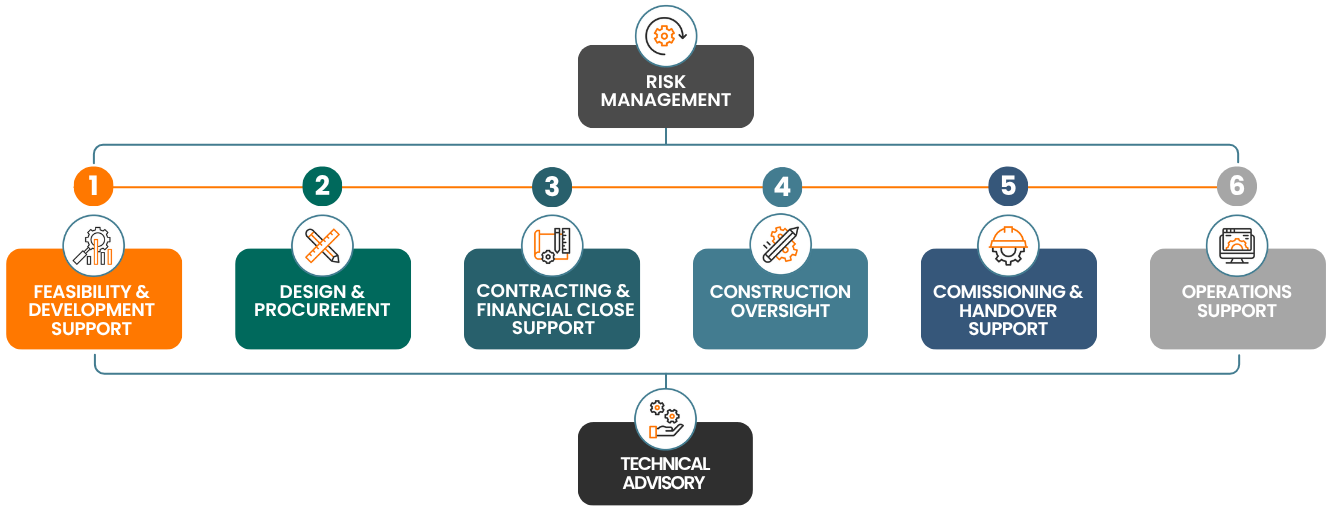
Owner’s Engineering supports solar and energy storage projects across the full lifecycle—from feasibility to long-term operations. It covers site assessment, yield analysis, and CAPEX/OPEX evaluation, followed by independent design review, value engineering, and technical bid evaluation during procurement. As projects progress, it provides technical validation for contracting and financial close, ensures quality and alignment during construction through oversight and QA/QC, and verifies performance and documentation at commissioning. Beyond delivery, ongoing advisory and risk management support long-term performance and asset reliability.
The Value of Independent Technical Oversight
Owner’s Engineering is often seen as an additional layer in project delivery.
In reality, it acts as a control mechanism for quality, performance, and long-term value.
For developers and investors, it provides something critical:
not just oversight, but confidence that every technical decision supports the success of the asset across its entire lifecycle.
By introducing independent technical expertise into the development process, Owner’s Engineering ensures that engineering decisions are objectively validated, costs remain predictable, construction quality meets required standards, and commissioning confirms long-term performance.
For utility-scale solar and energy storage assets expected to operate for decades, these safeguards are not optional—they are essential.
If you’re looking for Solar & Storage design solutions to your projects, get in touch with us today.